In brief
- The second MACSE auction is set for 24 November 2026: 16 GWh to be awarded, with delivery in 2029.
- The maximum premium has been set at €27,000/MWh/year. In 2025 the auction closed at almost €13,000.
- A BESS is assessed first on connection, site and permits, then on price.
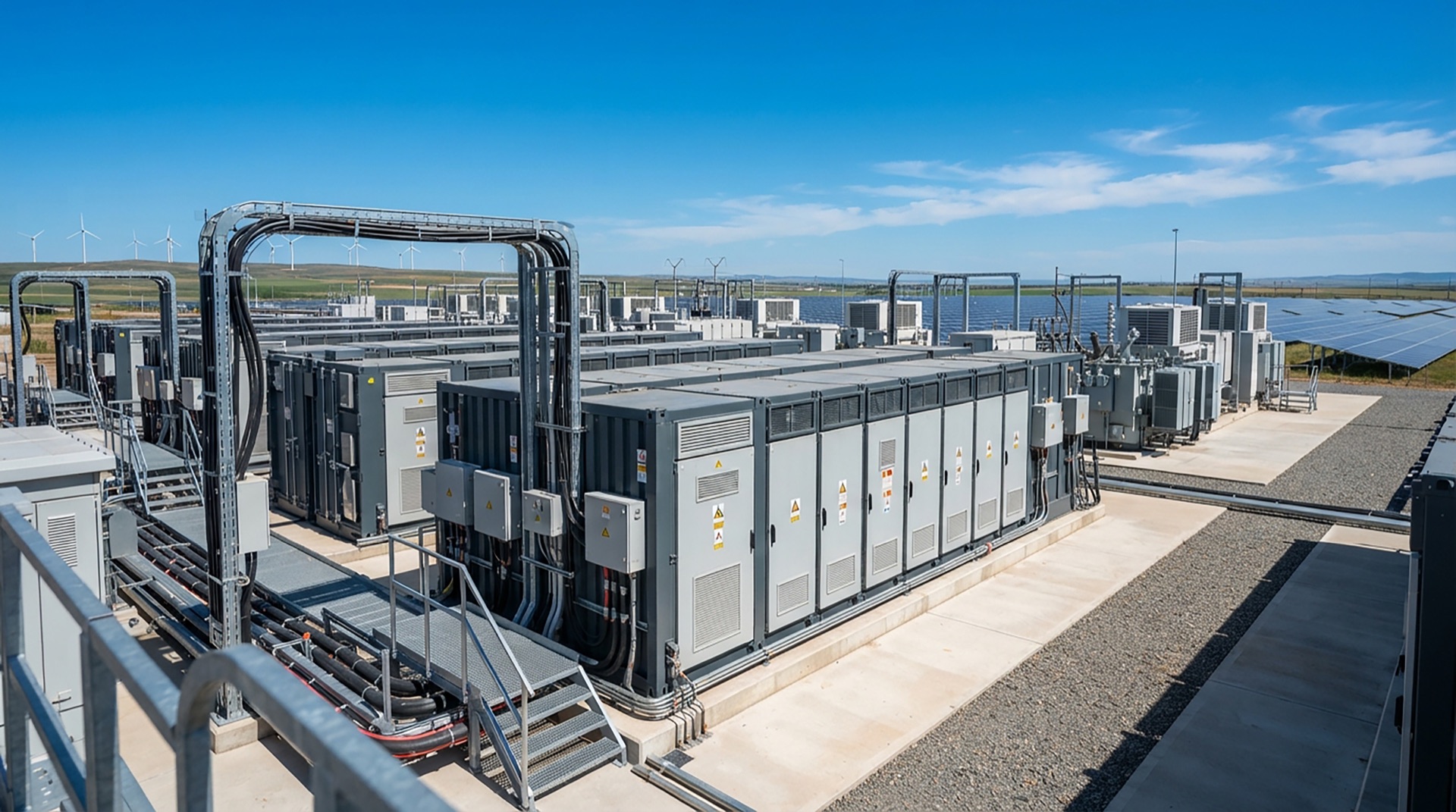
With the growth of solar and wind, the issue has shifted from how much energy is produced to when it is needed. Grid-scale batteries move output towards the hours of consumption, and MACSE, the storage capacity procurement mechanism run by Terna, is the tool the electricity system uses to contract them over the long term.
What the first auction told us
The first auction was held on 30 September 2025. Terna awarded 10 GWh, with bids more than four times higher than demand. The price stopped at almost €13,000/MWh/year, against a maximum of €37,000. The awarded plants, using lithium-ion technology, must go into operation in 2028.
A price so far below the cap points to strong competition. It is therefore wise to build the financial plan on prudent assumptions, without taking a return close to the maximum for granted.
What changes in the second
- Volume: 16 GWh, with delivery in 2029.
- Areas: the North is left out. According to industry analyses, the South and Calabria reach up to 11.5 GWh and the minimum for Sicily doubles to 1 GWh.
- Maximum premium: €27,000/MWh/year, lower than in the first auction.
Quotas and parameters must always be rechecked against the latest Terna and ARERA documents.
The questions to ask before the auction
- Connection. Is the connection quote valid? What works does it require, on what schedule, and is there capacity at the node?
- Site. Land availability, access for vehicles, distances from homes and businesses, noise, fire prevention.
- Permits. Which permit is needed, what constraints apply to the area, and whether there are existing plants the authorisation must stay consistent with.
- Configuration. Stand-alone or paired with a solar or wind plant: sharing the connection changes costs, rules and margins.
- Lifetime. Do the supplier's warranties cover the contract obligations? When do the cells need replacing, and who bears the cost?
- Alternatives. If the bid isn't awarded, does the project have other credible revenue sources?
These checks should be done well in advance: a problem with the connection or the site that emerges after the award costs far more than one that emerges during development.