In brief
- With ruling 127/2026 the Constitutional Court declared the challenges to art. 5 of Decree-Law 63/2024 unfounded.
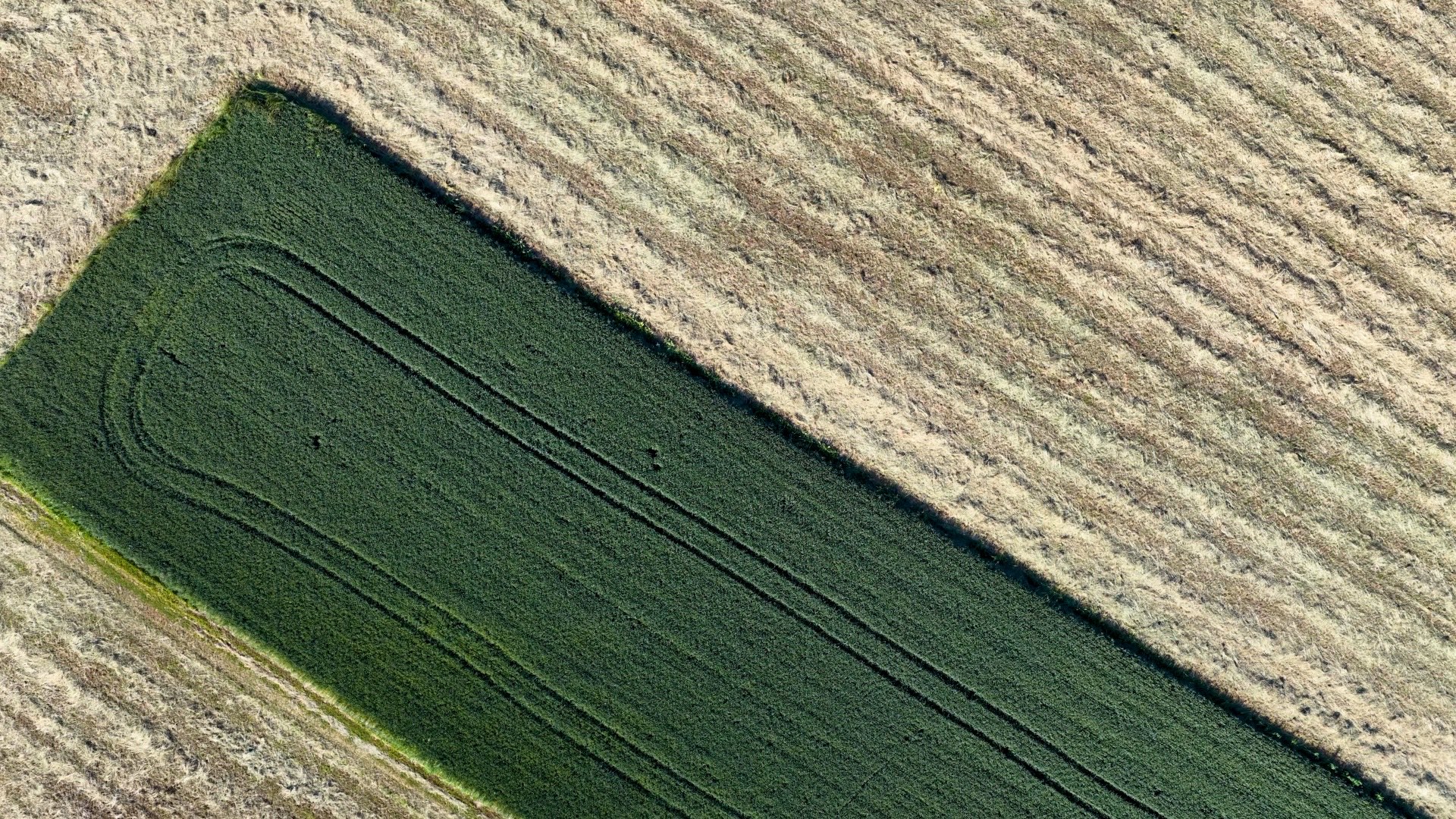
- The limit concerns modules placed on the ground in zones classified as agricultural by urban plans. Raised agrivoltaic solutions remain an option.
- Suitable areas now fall under art. 11-bis of Legislative Decree 190/2024: every plot must be checked against both national and regional rules.
What the Court decided
The Lazio Regional Administrative Court had raised doubts over the legitimacy of art. 5 of the so-called Agriculture Decree. The Court rejected them in a decision taken on 14 April 2026, filed on 16 July and published in the Official Gazette on 22 July. The limit therefore stands. With ruling 156/2026, filed on 1 October and concerning the Sardinian law on suitable areas, the Court cited the same approach.
Not everything is settled. The law doesn't define precisely what a module "placed on the ground" is, and several commentators note that points of interpretation remain open. It is a distinction that must be properly justified in the design.
What remains possible
- Raised agrivoltaics: solutions that allow farming or grazing to continue under and between the modules.
- Exceptions in the law: these include some already degraded areas or areas linked to infrastructure and production facilities, as well as cases such as energy communities. The list must be read in the current text.
- Non-agricultural areas: the limit applies according to the zoning classification, which is the first thing to establish.
Suitable areas: a shifting picture
In May 2025 the Lazio Regional Administrative Court, with ruling 9155, partly annulled the ministerial decree of 21 June 2024. Decree-Law 175/2025, converted by Law 4/2026, then moved the rules into art. 11-bis of the Consolidated Act: the State identifies suitable areas and the Regions can add others by law, within the set criteria. Transitional rules apply to procedures already under way, and the Regions are moving at different speeds.
In what order to check a plot of land
- Zoning, from the certificate issued by the Municipality.
- Area suitability, under the national and regional rules in force.
- Constraints, starting with landscape and cultural heritage, including buffer zones.
- Status of the procedure, to understand which transitional rules apply.
- Type of plant, ground-mounted or agrivoltaic, with the related requirements.
- Connection, because a suitable plot without a viable grid point doesn't make a project.
This order avoids spending on design for an area that falls at the first check.
Information text, updated to the date of publication: it does not replace legal advice on the individual case.