In brief
- Datacenter connection requests have gone from about 30 GW at the end of 2024 to over 100 GW in 2026.
- Terna considers them largely unrealistic: the recurring estimate is 1.5-2 GW by around 2030.
- A solid project can be recognised by its land, permits, load profile and energy strategy.
The numbers
According to Terna data reported by the trade press, requests were about 30 GW at the end of 2024 and 69 GW at the end of 2025. On 31 August 2026 there were 553 applications for 101.36 GW. In October Terna's management spoke of over 100 GW for almost 600 initiatives. The distribution is highly concentrated: on 31 July Lombardy alone had almost 45 GW, about 47% of the total.
The comparison makes the point: Terna's recurring estimate for actual new load is 1.5-2 GW by around 2030.
Why so many requests
The connection point has become the scarcest asset in the sector. Requesting one costs little compared with the value it can take on, and the request can start even without a defined project. The result is a queue that includes concrete industrial initiatives alongside grid reservations, with the risk of slowing down those who are really ready to build.
What sets a solid project apart
- Land: actual availability, compatible zoning, access and fibre.
- Permits: a clear permitting route, with the necessary environmental assessments already set up.
- Load profile: capacity justified by a user or a marketing plan, with realistic growth phases.
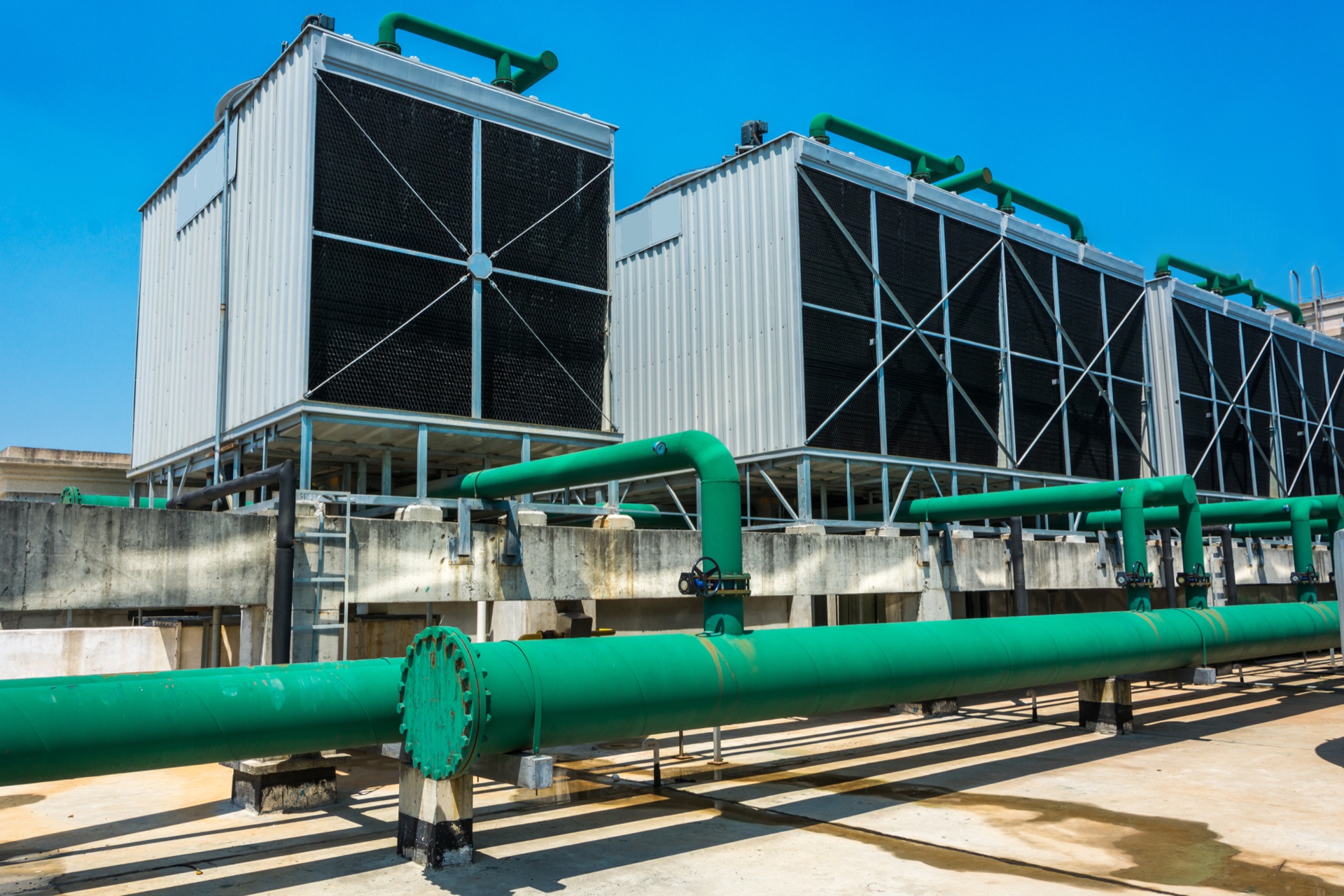
- Cooling: technology choices consistent with the site's climate and water availability.
- Grid: a connection solution compatible with the project schedule.
Where renewables come in
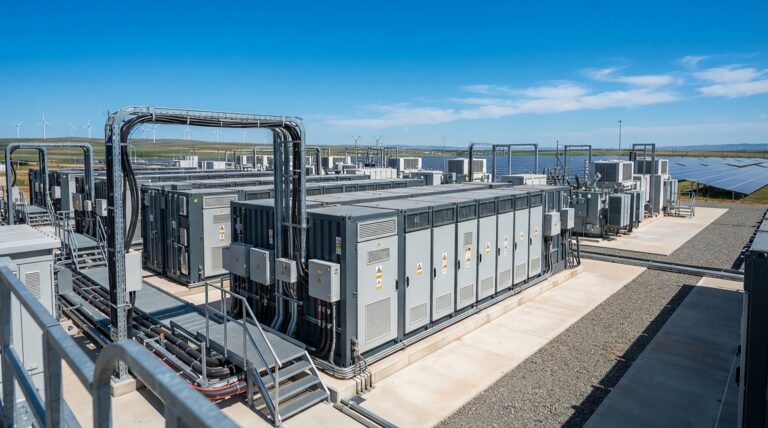
A datacenter consumes continuously, while solar and wind produce according to the conditions of the moment. Covering the load with renewable energy therefore takes a mix of long-term contracts, different technologies and, where it makes sense, storage. Geography adds another element: requests are concentrated in the North, while much of the solar and wind potential is in the South and on the islands.
That is why it makes sense to tackle site development and energy supply together, from the first assessments. For the regions of southern Italy in particular, the availability of renewable energy can become an argument for choosing a location.