In brief
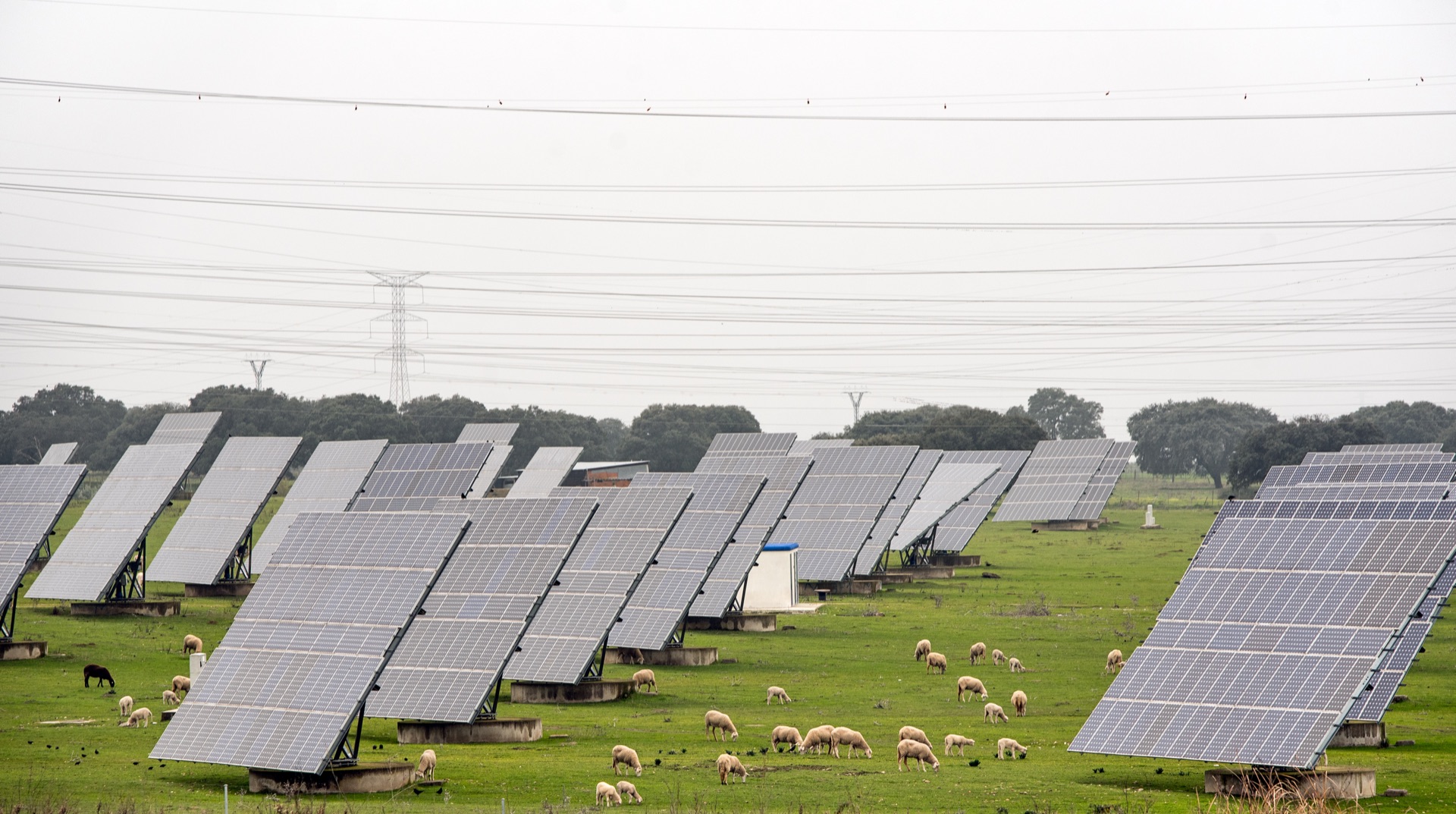
- An agrivoltaic project isn't a solar PV plant with higher modules: it must be redesigned around the farming activity.
- The June 2022 guidelines set requirements on surface area, farming continuity, output, height and monitoring.
- You need a farm operator from the start, and an analysis of how the change affects permitting.
With the limits on ground-mounted modules in agricultural zones, many projects that began as solar PV are being reworked as agrivoltaic. The conversion is possible, but it touches almost every part of the project and is best assessed early.
The reference requirements
The ministerial guidelines of 27 June 2022 are the main reference, together with the CEI PAS 82-93 practice.
| Requirement | What it requires |
|---|---|
| A | Agricultural surface at least 70% of the total; module coverage (LAOR) no more than 40% |
| B | Continuity of farming; electricity output no lower than 60% of a standard plant |
| C | Raised modules: roughly from 1.3 m with livestock farming, from 2.1 m with crop farming |
| D | Monitoring of water saving and farming continuity |
| E | Monitoring of soil fertility, microclimate and resilience to climate change |
The guidelines distinguish agrivoltaic plants (A, B and D.2) from advanced ones (A, B, C and D); requirement E was added for PNRR funding. The definitions have also been updated by the corrective decree to the Consolidated Act, so they must be rechecked against the current text.
What changes in the project
- Layout: wider row spacing for farm machinery, often with less capacity on the same area.
- Structures: different heights and foundations, with effects on costs, shading and visual impact.
- Farm plan: crops or grazing chosen with an agronomist based on the site's soil, water and climate.
- Management: a clear agreement with the farm operator on roles, access and duration.
- Monitoring: tools and procedures to be included in the design from the outset.
- Financial plan: capex and output change, and farming revenues and costs must be added.
The permitting question
If the project is already under review, the question is whether the change can be handled as a variation or requires starting again. The answer depends on the status of the procedure, the permit and how much the area and impact of the works change. Connection, environmental and landscape studies and agreements with landowners must also be realigned.
The questions to ask right away
- Can the land really support the planned farming activity, in terms of soil and water?
- Who is the farm operator, and with what long-term commitment?
- At what point in the procedure is it best to introduce the change?
- Is the project still viable with the new capacity and new costs?
These questions call for different skills around the same table: engineering, agronomy, environment and permitting.